Wellness
Wellness Care and Vaccinations
A full nose-to-tail exam once a year for a healthy adult, more often for puppies, kittens, seniors and any pet already carrying a health issue, with a vaccination protocol built around your pet's own life.
Chapter 01
What a nose to tail exam actually checks
A nose to tail exam is not just a look and a listen. It works through eyes, ears, skin, the cardiovascular and respiratory systems, a neurological check, the gastrointestinal system and the skeletal system, one after another, on every visit.
Underneath that physical exam, blood and urine testing looks at kidney function, liver function, thyroid function and adrenal function. Those four organs can look and act normal on the outside for a long time before a blood panel says otherwise, which is the whole reason the testing exists alongside the hands-on exam rather than instead of it.
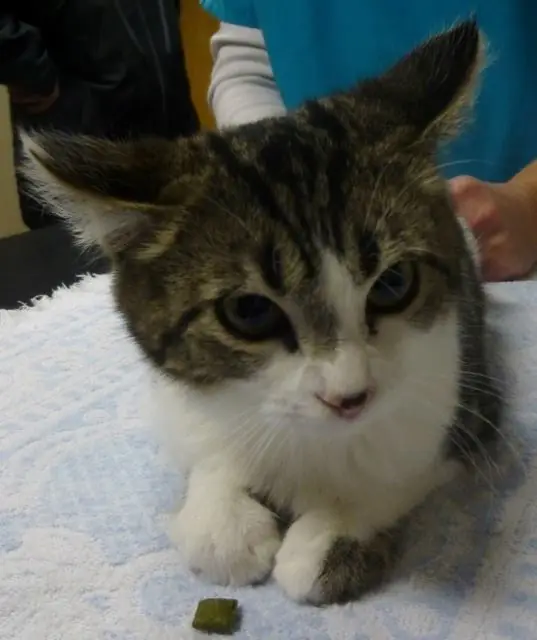
A grey tabby kitten on the exam table at Best Friends Veterinary Care, Iowa City
The three ages of a wellness plan
A puppy or kitten gets its first exam as soon as possible after you bring it home, and the vaccination series starts at six to eight weeks of age. A healthy adult dog or cat comes in once a year for a full physical exam, current vaccinations and preventives, and bloodwork, a fecal test or a urine test if anything on the exam calls for it.
Senior status starts earlier than most owners expect, eight years old for a cat and seven for a dog. From there the baseline workup, bloodwork, a fecal test, a urine test, sometimes X-rays, moves to twice a year or more, watching specifically for arthritis, cancer, diabetes, heart disease, hormone disorders, and kidney or liver problems.
Chapter 03
What the vaccines are actually for
Puppy vaccines cover rabies, canine distemper, adenovirus type 2, parvovirus, parainfluenza and bordetella, the bacteria behind kennel cough, with leptospirosis and Lyme disease added when a dog's own lifestyle calls for them. Kitten vaccines cover rabies, feline panleukopenia, also called feline distemper, calicivirus and rhinotracheitis, sometimes called feline influenza, with FeLV added based on risk.
Kittens are tested for FeLV and FIV before they have contact with any other cat in the household. Puppies and kittens both get parasite testing and treatment for roundworms, which can pass from a pet to a person, so it is treated as a household concern and not only a pet one.
Microchips, and why a collar still matters
A microchip is permanent identification placed under the loose skin at the back of the neck, a quick procedure done here, and it can be scanned by any veterinarian or shelter that finds your pet if it is ever lost. It does not wear off, fall off or fade the way a tag can.
Even with a chip in place, we still recommend a collar and an ID tag on your pet at all times. A microchip needs a scanner and someone willing to use it; a collar and tag let anyone who finds your dog or cat call you directly, on the spot, without either of those steps.
Free adoption exam, within two weeks
If you have adopted a dog or cat from any shelter or rescue group, not just the ones we work with directly, bring them in within two weeks and the exam is free. There is nothing to sign up for and no catch attached to it.
We would simply rather see a newly adopted animal early, while there is still time to catch something small, than see it later once a problem has had two or three weeks to become a bigger one. It is one of the more concrete things we can offer a pet that has just changed households.
Best Friends, Free parking at the clinic. Visa, Mastercard, Discover, cash and personal check. Call (319) 341-7111.